Malaysian builders eyeing Australia: why the job site matters as much as the job offer
News · 2026-08-20 · 3 min read
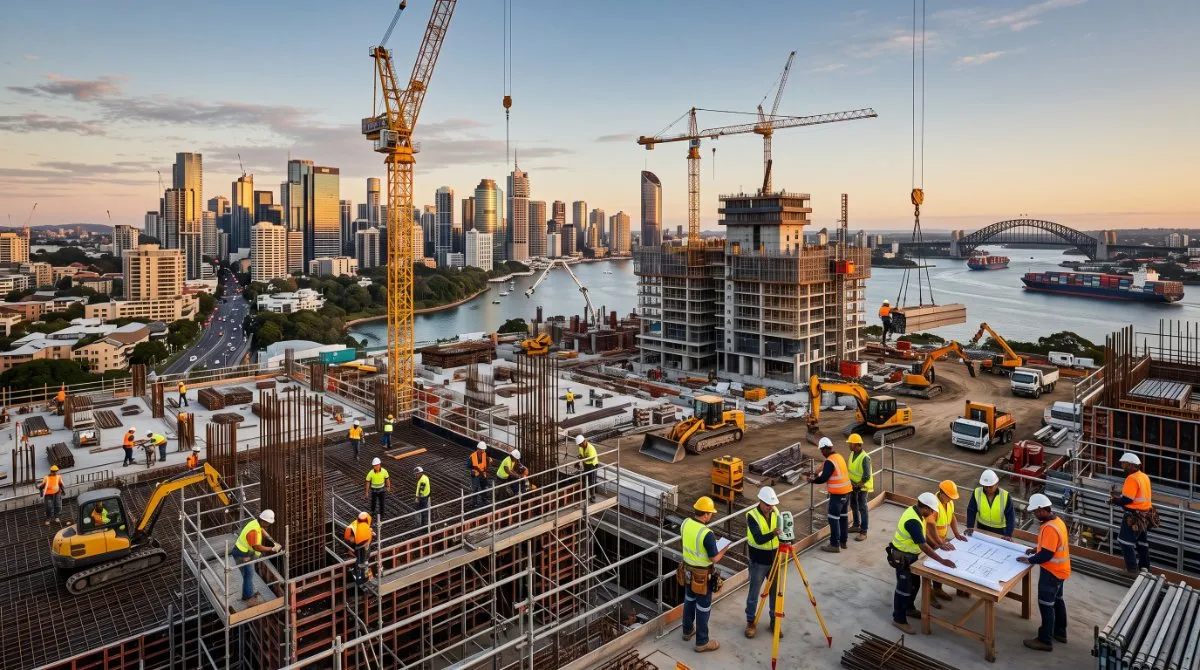
The story about Australian construction has sounded the same for years: not enough workers. Vacancies pile up, projects slip, and the instinctive answer is to chase bigger numbers, with more apprentices, more visas and more people on site. For Malaysian builders, electricians and site supervisors, that sounds like a green light. It is, but industry leaders are now saying the picture is more detailed than headcount.
Shortage is only half the story
Output per worker in construction has stagnated and, by some measures, gone backwards, even as digital tools have changed almost every other part of the economy. Leaders point to outdated approval processes, layers of red tape and regulators that do not match the scale of the projects they oversee. Each of these quietly wastes hours on site.
A skilled bricklayer who spends a good part of the week waiting on paperwork is not delivering what the contract expects, however good the work is. Bringing in qualified people solves half the problem. The systems they step into decide the rest.
Why a policy window is opening
After a stretch of very heavy construction spending that pushed the industry to its limits, government budgets are tighter and a rethink is under way. Federal authorities are consulting on new national construction standards, and contractors, unions and clients rarely agree on much, yet they now agree that the current setup has to change.
Clear national standards, if built properly, could make it simpler to recognise overseas qualifications, to structure onboarding and to bring newcomers into project teams. There is a catch. Short-term fixes in this sector have often produced a brief lift without touching the root causes. Without real enforcement, measurable benchmarks and consistent use, the same delays return, and so does the demand for extra people to make up for lost time.
What this means before you accept a role
The industry also needs healthy margins. A business that cannot earn sustainable returns cannot afford training, new technology or better systems, and it cannot offer the career stability that makes a move abroad worthwhile. So "there are jobs" should not be your only test. Ask yourself, and the employer, practical questions:
- Is the project run with a clear contract, and is it written in plain terms?
- How does the employer handle approvals and paperwork so your time is spent building?
- Is there training on offer, and a clear way to settle disputes if something goes wrong?
- How will your overseas trade certificate be recognised once you arrive?
Papers to line up in Malaysia
Recognition is where preparation pays off. Keep your Sijil Kemahiran Malaysia (SKM) and any other trade certificates together, with certified copies. Trades are usually assessed again abroad, for example through Trades Recognition Australia or VETASSESS, so check which route fits your occupation. Where visa rules ask for it, have documents in Bahasa Malaysia translated into English, and if a police certificate is requested, apply to the Royal Malaysia Police (PDRM) for a Certificate of Good Conduct.
You can see which occupations are in demand on the skilled occupation list.
Governments, industry and unions are agreeing that reform is overdue. That opens space to rethink how skilled migration fits the wider productivity puzzle, and it gives you reason to look for a role that lets you do your best work, not just any job.
#construction #australia #productivity #national standards #malaysian builders
 Malaysian carpenters and electricians: what an 83,000-worker shortfall means for your plans
 Malaysian builders and site supervisors: could Australia's closing construction firms mean more work for you?
 Malaysian students: why many international graduates in Australia land lower-skilled jobs