Horticulture workers in New Zealand: will a training overhaul open or close doors?
News · 2026-09-01 · 3 min read
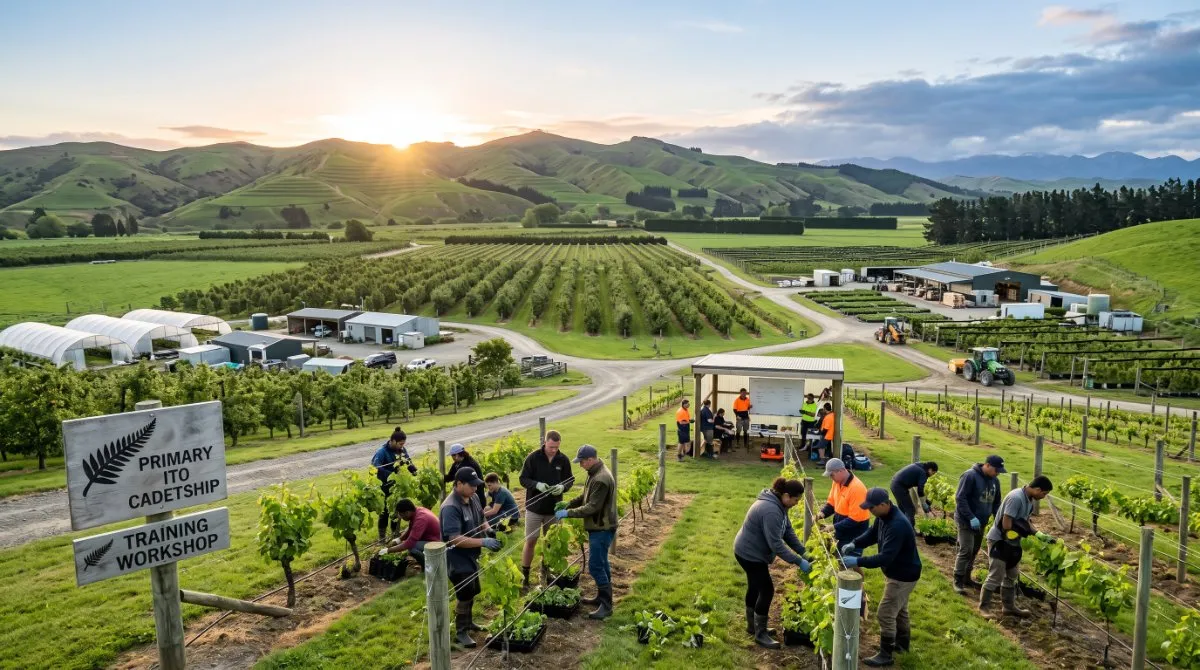
New Zealand's orchards, packhouses and nurseries depend heavily on migrant workers. A change in how horticulture training is run could affect those workers directly, so it is worth understanding even if you are still at the planning stage.
The change in one paragraph
From 1 January 2026, work-based training in horticulture moves out of Te Pūkenga and into a temporary body called the Food and Fibre Industry Skills Board. It is the latest step in years of restructuring across the country's vocational education system.
The part that matters for visa holders
The sector's new Food and Fibre Workforce Capability Strategy includes a proposal to restore training eligibility for workers on work visas. At present it can be hard for visa holders to gain recognised, work-based qualifications. If that barrier were removed, a migrant employee could move from general labour into more skilled work, and employers would be able to keep trained people instead of starting over with newcomers.
Note the wording: this is a proposal in a strategy, not a confirmed rule. Treat it as a possibility, and check the position before you plan around it.
A sector under strain
Work-based enrolments in fruit and vegetable training dropped by roughly two-thirds between 2021 and 2024. Combined with an ageing local workforce and ongoing skill shortages, that explains why the industry leans on international labour.
The timeline
| When | What happens |
|---|---|
| Until the end of 2027 | Primary ITO keeps delivering work-based horticulture training for around 1,500 current enrolments across the country. |
| By June 2027 | No new enrolments are accepted under the current arrangement. |
| By 2028 | Regional polytechnics and private training providers are expected to take over delivery, while the Skills Board steps back to setting standards. |
Industry bodies, including Horticulture New Zealand and Primary ITO, warn that providers could decide not to offer smaller, less profitable qualifications, even ones the industry badly needs. That could close the pathways that lead from farm work to a skilled visa category or residence.
One model that is working
Primary ITO's Horticulture Cadetship Programme started in Pukekohe and is now expanding to the Bay of Plenty. Apprentices study together as a group, and a dedicated advisor handles the training paperwork for the employer. That kind of support could make formal training easier for businesses that also carry visa duties.
What Malaysian workers can do now
- Ask any employer what training they support, who delivers it and whether visa holders can join.
- Keep records of your farm, nursery or packhouse experience, including the crops and machinery you have handled.
- If you hold a certificate such as the Sijil Kemahiran Malaysia (SKM), keep certified copies, and have English translations of anything written in Bahasa Malaysia.
- Ask whether an IELTS or PTE result is needed for the visa you are considering.
- Read the official Immigration New Zealand work pages for the current visa conditions.
Looking ahead
Whether the sector ends up with a stronger training system that includes migrant workers, or a patchwork shaped by short-term commercial choices, will depend on how quickly government and industry agree over the next 18 months. Keep an eye on the news, and let your plans stay flexible.
#horticulture #new zealand #work visa #training #orchard work #malaysian workers
 Work in New Zealand from Malaysia: why hands-on experience now counts for more
 130 New Zealand jobs may move to Australia: what Malaysian workers should take from it
 Malaysian high achievers: a proposed kiwi visa could let you land first, find work later