Could a one-migrant-per-new-home cap hit Malaysians heading to Australia? What we know so far
News · 2026-08-25 · 4 min read
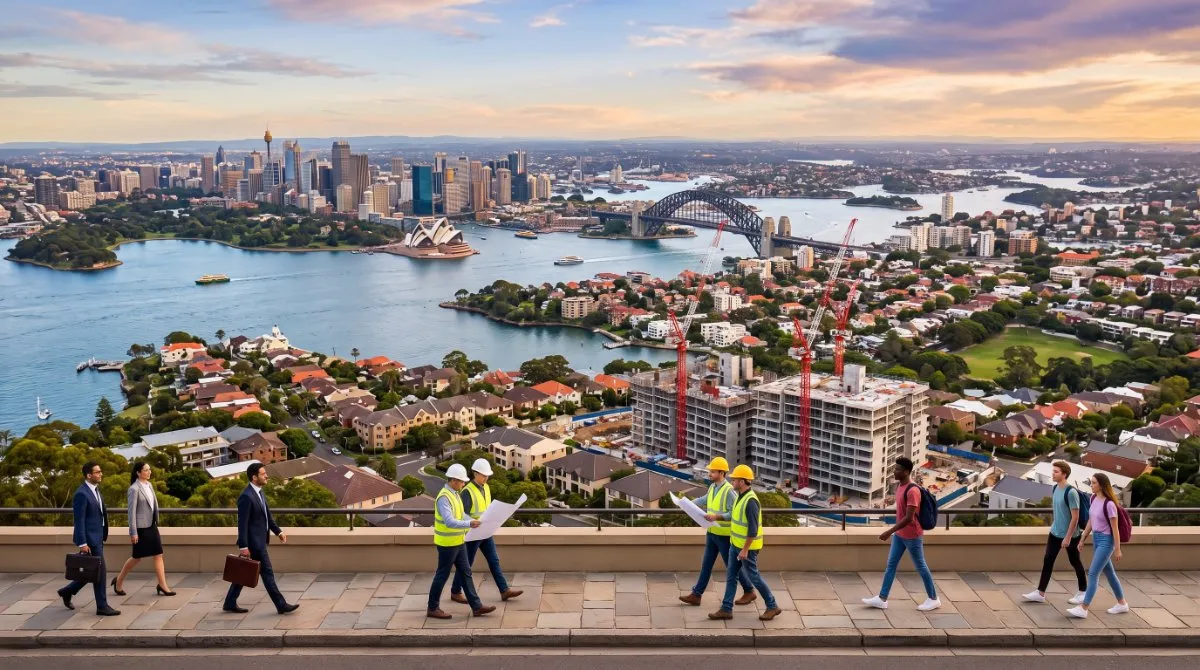
Few things move Australian migration debates faster than housing. A proposal now on the table would link the number of newcomers to the number of homes built. It is only a proposal, but if you are planning a move for work, it is worth understanding before you book anything.
What is being proposed
The Coalition has floated capping net overseas migration at one new arrival for every new home built. The idea is to keep population growth in step with housing. The Opposition Leader has said the intake would end up well over 70 percent below the record levels of 2022–23.
Importantly, the visa categories that would shrink have not been decided. That would only be worked out if the Coalition formed government. So nobody can say today which visas, if any, would be hit.
The numbers behind the debate
Net overseas migration is the number of people arriving to stay, minus those leaving. It peaked at 538,000 in the 2022–23 financial year. It fell to 429,000 the next year, then to 306,000 in the year to June 2025. In other words, it was already falling before this proposal.
The open question is how much further a future government might push it, and how quickly.
What business groups are saying
Employer groups are not rejecting tighter migration outright. They are asking that skilled migration be treated separately. The Australian Industry Group argues that current skilled migration settings are close to right. Its priority is speed and precision, getting the right skills into the country when employers need them, instead of blunt cuts across the board.
The Australian Chamber of Commerce and Industry takes a broader view. It says migration policy needs careful balance between public trust and social cohesion on one side and the economic benefit of a well-run program on the other. It also warns that employers' needs must stay part of the discussion.
The trade skills puzzle
One point deserves attention from Malaysian tradespeople. The Property Council of Australia has noted that only a small fraction of skilled migrants over the past two decades brought construction-related trade skills, even though construction is under heavy pressure.
That creates an odd tension. If migration is tied to housing completions, the country may need more migrant tradespeople to build the homes in the first place, not fewer. Whether policy follows that logic is unknown, but it suggests trade skills could stay in demand.
What this means for you, honestly
Skilled and employer-sponsored pathways look like the part of the system that industry and both major parties are least keen to cut. But protected does not mean unaffected. A future government could still tighten eligibility, processing times or occupation lists while keeping the skilled stream.
Your best move is to prepare steadily rather than rush:
- Check which occupation matches your work, and read the official lists on the Home Affairs visa listing.
- If you hold a Sijil Kemahiran Malaysia (SKM), expect trade qualifications to be assessed again abroad. Confirm the process for your own trade.
- Collect certified copies of certificates and English translations of any Bahasa Malaysia documents.
- Request a police certificate from the Royal Malaysia Police (PDRM) when one is asked for.
- Book IELTS or PTE if the visa or employer needs it.
Where this leaves things
Australian migration policy is heading into a period of real uncertainty. Still, government, opposition and industry all seem to agree that skilled migration will remain central, even as overall numbers fall. Keep watching for announcements, keep your paperwork ready, and treat skilled and trade pathways as the sturdiest route in, whichever party sets the caps.
#australia migration cap #skilled migration #net overseas migration #trade skills #employer sponsored #jobs in australia for malaysians
 Australia wants net overseas migration at 225,000: what that target means for Malaysians planning to go
 Skilled Malaysians: Australia needs your skills, but the pathway is patchy. Here is how to prepare
 Malaysian Tradespeople: Will Australia's Skilled Visa Get Quicker? Here Is What Employers Are Asking