Canberra has seven bricklaying trainees: a gap Malaysian bricklayers may want to read
News · 2026-08-24 · 3 min read
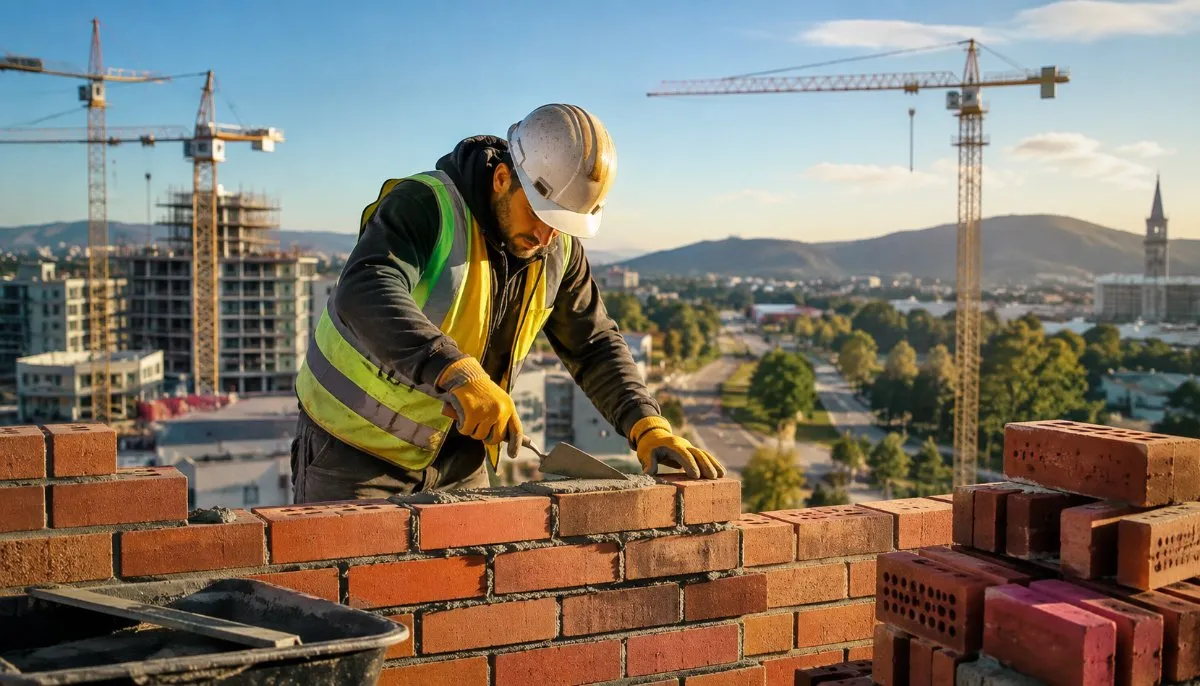
Canberra keeps building upwards, yet the trade that lays its bricks is running thin. Right now only seven people are training as bricklayers anywhere in the ACT region. Over the same period the construction workforce has grown by 10 per cent while apprentice numbers fell by 20 per cent. For a Malaysian bricklayer or site foreman, that gap is worth understanding before you decide where to take your trade.
A trade with no licence
The first surprise is regulatory. In the ACT, bricklaying is not a licensed occupation. Anyone can lay bricks on a commercial or residential site without proving they hold a qualification. Industry trainers say the result shows up on site as inconsistent workmanship from people who were never properly trained.
That is a quality problem for Canberra, but for you it is a market signal. If you hold formal qualifications and real site experience, you would be entering a market where properly trained bricklayers are scarce and valued. Local employers have plenty of work. What they lack is reliable people to put on the trowel.
One caution follows from this. Because the local system does not filter for skill, you will need to show your training and experience clearly yourself.
Why the shortage is not a short-term blip
- The pipeline is weak. Most bricklaying apprentices are trained through residential building, and residential activity in the ACT is currently soft. At the same time commercial and infrastructure work, including the light rail expansion, keeps labour demand high. A four-year apprenticeship is a hard commitment for an employer when house building is quiet.
- Many start, fewer finish. The work is physically demanding, and some apprentices spend too much time labouring instead of building trowel skills. Many leave before they are useful on site.
- The workforce is ageing. On many sites, tradespeople over 40 are the norm. Without new trained arrivals, that experience retires and is not replaced.
The ACT government has a commitment to deliver 30,000 new homes by 2030. With so few apprentices in the pipeline, that target is hard to meet without extra skilled hands.
Getting your Malaysian qualifications ready
If this describes your trade, build your evidence before you apply anywhere.
- Certificates. Your Sijil Kemahiran Malaysia (SKM) or other trade certificate matters. Trades are usually assessed again abroad. In Australia that means a skills assessment, for example through Trades Recognition Australia.
- Site history. Keep letters from past employers, project details and photographs of finished work. They show what you can do.
- English. Be ready for an IELTS or PTE test if a visa or employer requires one, even if English is part of your daily work.
- Documents and clearance. Certified copies and English translations of Bahasa Malaysia documents are needed where visa rules ask. A police certificate, when requested, comes from the Royal Malaysia Police (PDRM).
You can also read the visa and occupation information on the skill occupation list page, so you know how your trade is described.
The honest picture
Bricklaying is hard physical work, and Canberra's own apprentices will tell you so. Still, a market that employers openly describe as undersupplied tends to bring quicker hiring, more openness to sponsoring and less competition for placements. If you already have the training and the stamina, this is a market to watch. Prepare your paperwork first, then look for roles.
#bricklayers #canberra #construction #malaysian tradespeople #skills assessment #sponsored jobs for malaysian tradespeople
 Malaysian carpenters and electricians: what an 83,000-worker shortfall means for your plans
 Holding an SKM? Even with every reform, Australia could stay more than 84,000 workers short
 Malaysian builders and site supervisors: could Australia's closing construction firms mean more work for you?