93% of New Zealand's AI spending goes to technology: which skills could Malaysian technicians build?
Tips · 2026-09-16 · 3 min read
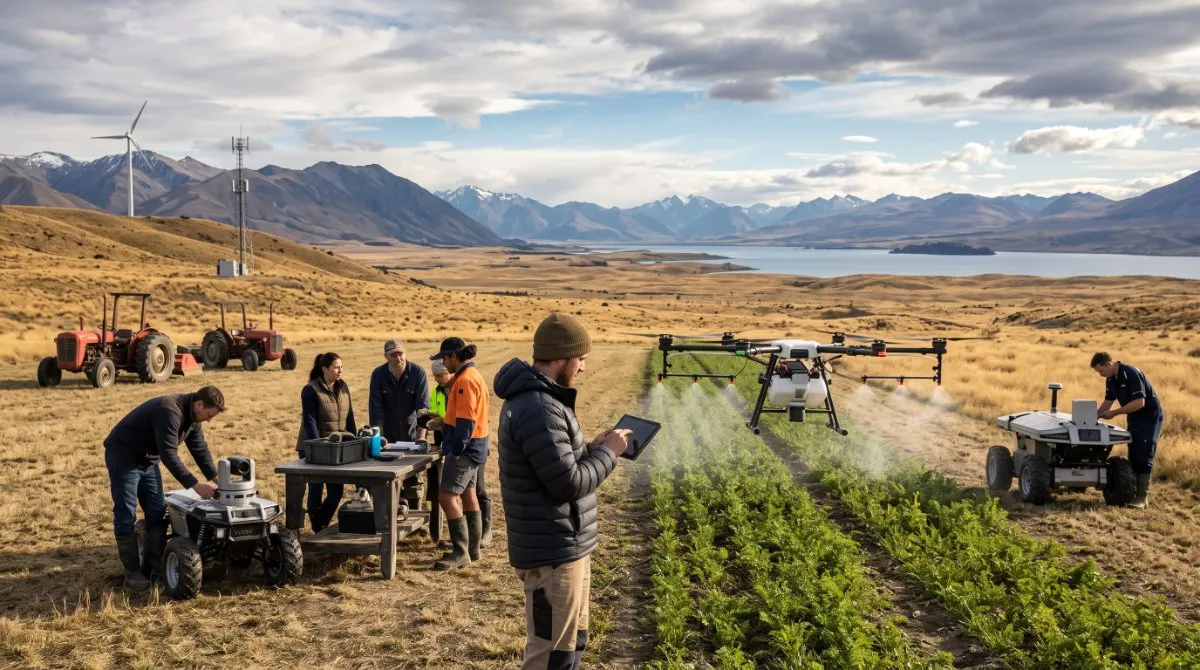
New Zealand organisations are not short of AI tools. They are short of people who know how to work alongside them. For Malaysian technicians and tradespeople thinking about work in New Zealand from Malaysia, that gap is worth understanding.
The 93/7 split
93% of AI spending in New Zealand organisations goes toward technology, while only 7% goes toward people and skills. In a country already stretched by an ageing workforce and ongoing regional labour shortages, that is a sign that businesses are buying capability faster than they are building it.
Shallow adoption versus real redesign
Dropping a chatbot or copilot into an old process does not create a stronger team. It adds a tool to an unchanged job description. This is sometimes called shallow adoption, and it is common: globally, only around one in eight organisations has moved agentic AI into real production. The rest are running pilots that create activity without creating value.
The organisations expected to pull ahead in 2026 are the ones rethinking roles, retraining people into higher-value work and sourcing the specialised skills needed to run mixed teams of people and automated systems.
Where the demand may change shape
As automation spreads into agriculture, utilities, infrastructure inspection and transport, demand for people is not expected to fall. It is expected to change shape. Businesses are likely to look for:
- Technical operators who can run and maintain autonomous systems, not only office staff who use AI software.
- Specialists for regional and infrastructure-heavy sectors, where physical AI such as drones, autonomous inspection and remote robotics is growing fastest.
- Upskilled local talent, paired with targeted international recruitment where local skills gaps cannot be closed fast enough.
Cyber risk raises the stakes
AI is also making cyberattacks faster and more sophisticated. Automated tools help attackers run phishing campaigns and probe for weak spots quicker than human security teams can respond. As aviation, healthcare and transport rely more on digital systems, under-skilled operators become a bigger risk. Technology without the right people behind it is a liability.
What Malaysian technicians can do now
This article does not promise jobs, and none of it means a specific employer is hiring. It does point to a practical direction: hands-on skills combined with comfort around digital equipment.
- Document what you already run. Machines, control panels, sensors and inspection routines all belong on your CV.
- Keep your qualifications clear. Your Sijil Kemahiran Malaysia (SKM) or diploma will usually be assessed again abroad, and some trades, such as electrical and plumbing work, need occupational registration in New Zealand.
- Learn the safety basics. Cyber habits such as spotting phishing emails are now part of being a reliable operator.
- Prepare the paperwork. Certified copies, English translations of Bahasa Malaysia documents where the rules ask, an IELTS or PTE result if needed, and a police clearance from the Royal Malaysia Police (PDRM) when requested.
When you are ready to look at real vacancies and employer rules, start with the official New Zealand employment website.
The takeaway
In a small market, getting workforce and AI strategy wrong is a compounding disadvantage, and getting it right is a real edge. The tools are already being bought. The people who can run them well are what is scarce, and that is where a prepared Malaysian technician can stand out.
#new zealand #ai skills #automation #malaysian technicians #work in new zealand from malaysia
 Heading to New Zealand to study? Why three months' notice may be tight in 2026
 Malaysian high achievers: a proposed kiwi visa could let you land first, find work later
 Malaysian graduates in New Zealand: which post-study visa could keep you working after your course?